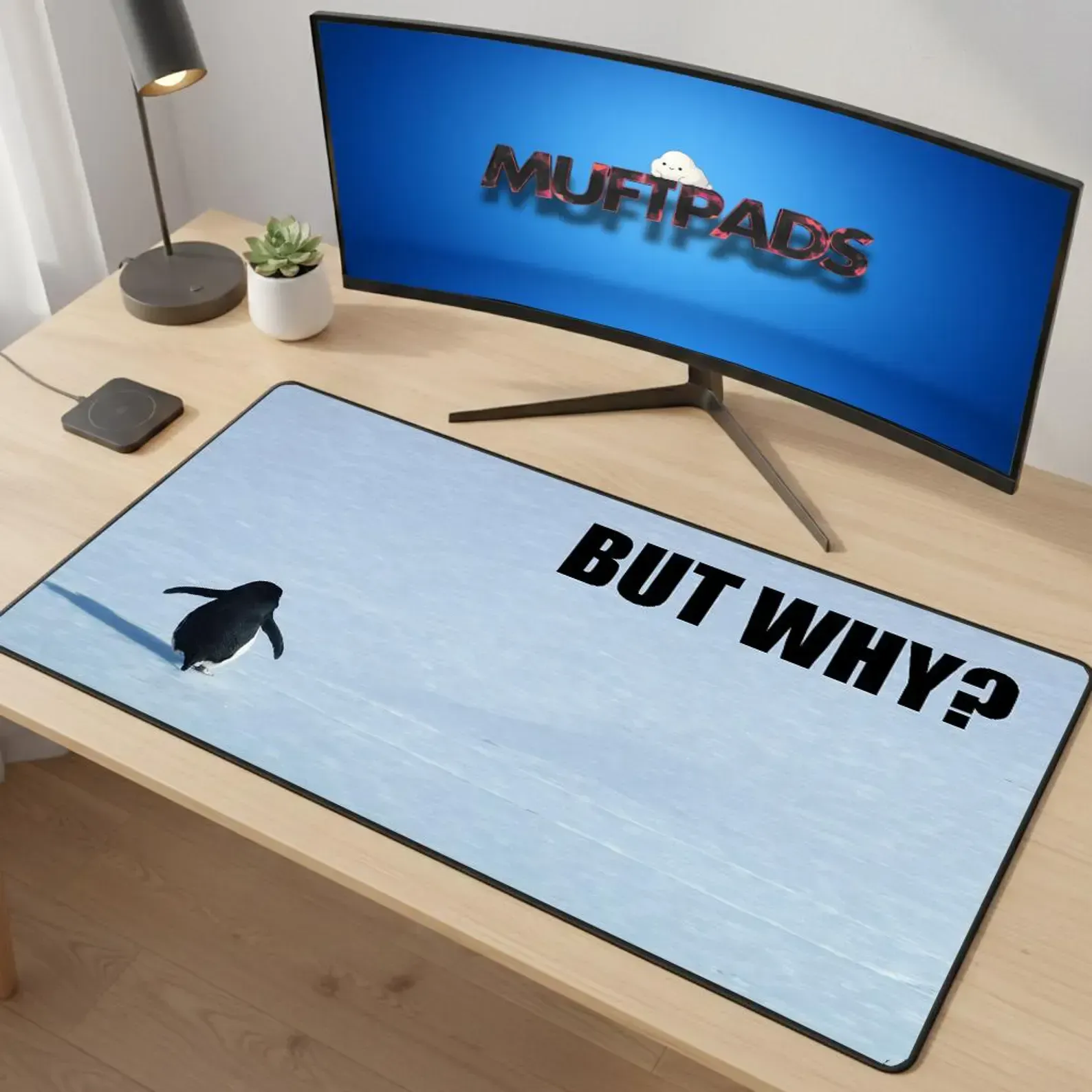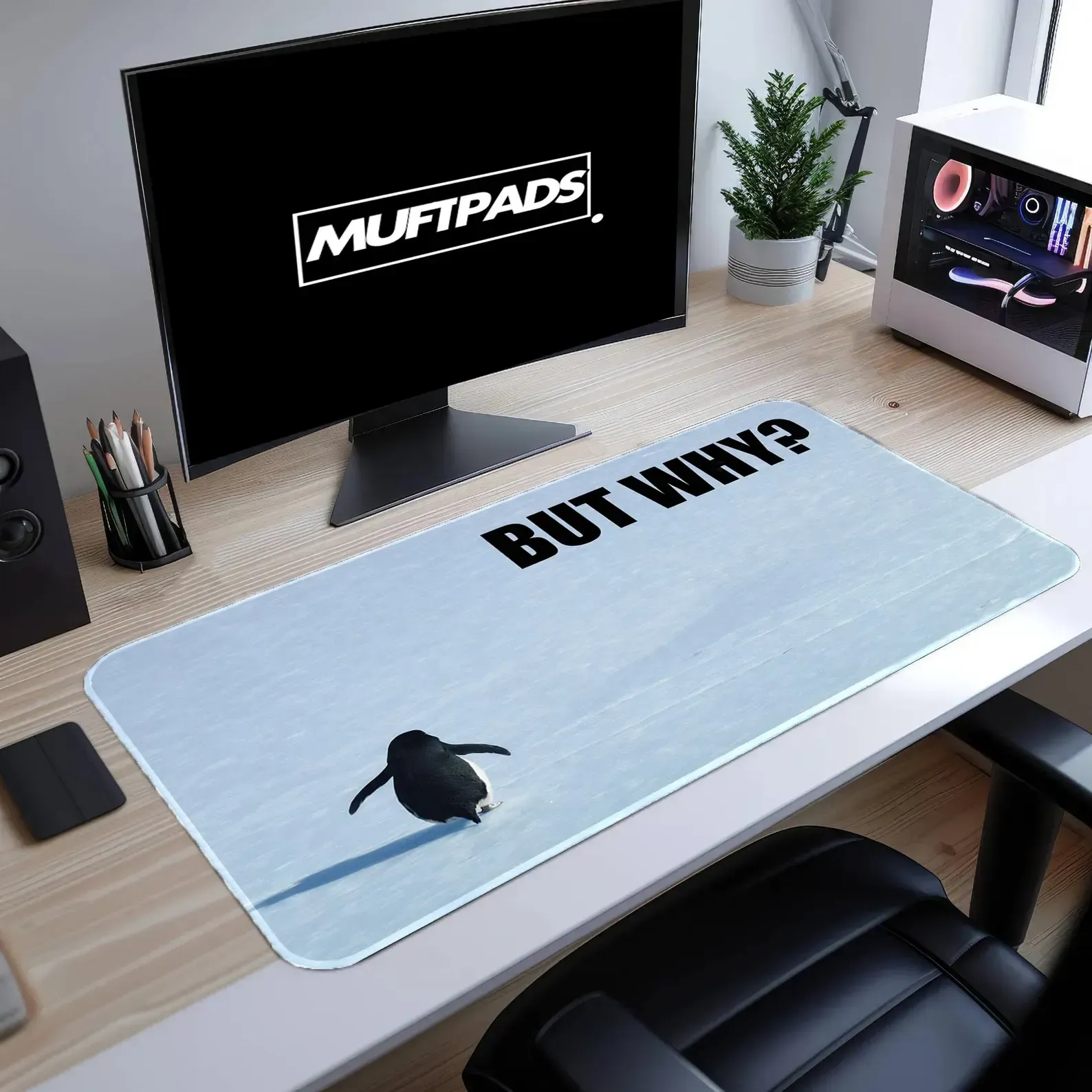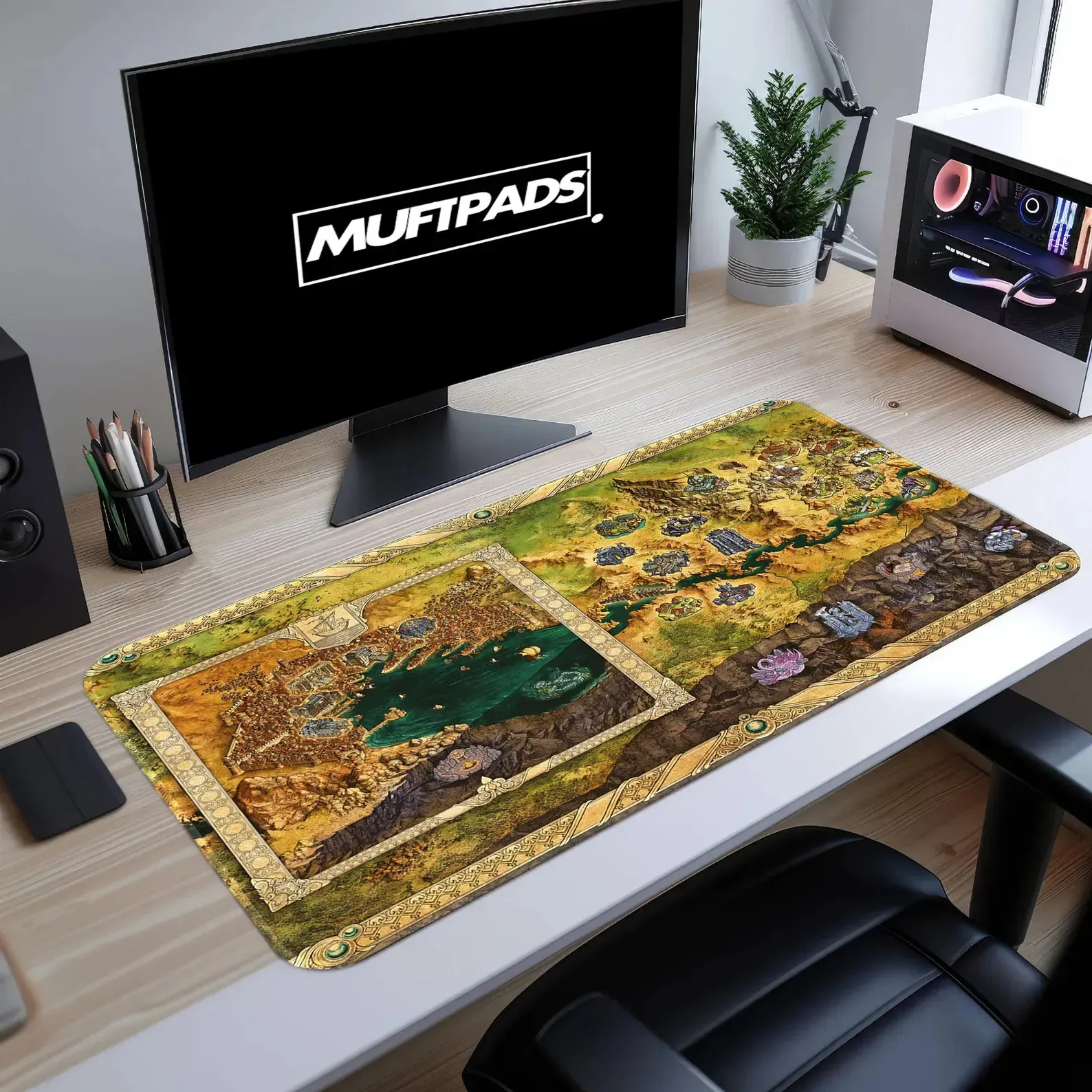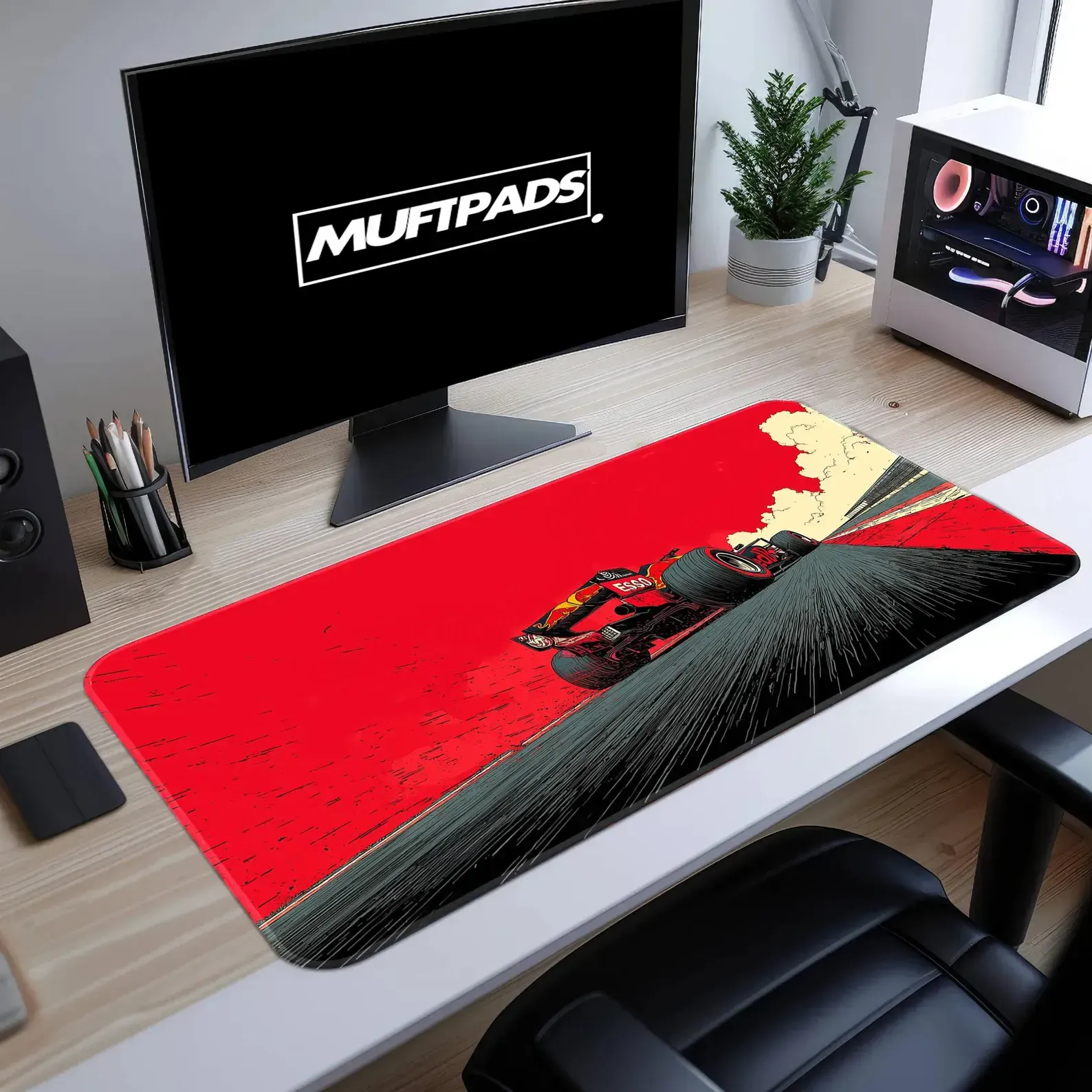
Ultimate Guide to Buying Mouse Pads for Gaming, Creation, and Professional Work
A mouse pad does more than hold your mouse; it influences precision, comfort, and the visual vibe of your workspace. This guide walks you through every factor that matters, from dimensions to material science, so you can pick a pad that fits your gaming rig, design studio, or office desk without guesswork.
Start with the way your desk is used every day
The best desk mat choice starts with the routine around it. A gaming setup usually needs more lateral mouse room, while a work or study setup may need a calmer visual base that keeps the keyboard, mouse and notebook area organized.
Before choosing a design, measure the usable width of the desk and note where the monitor stand, speakers, lamp and keyboard sit. This prevents the pad from feeling oversized in photos but awkward in real use.
If the desk changes roles during the day, choose a size and artwork style that works across those roles. A pad that feels good for gaming but distracting during work will probably not stay on the desk for long.
Match the size to mouse movement and keyboard layout
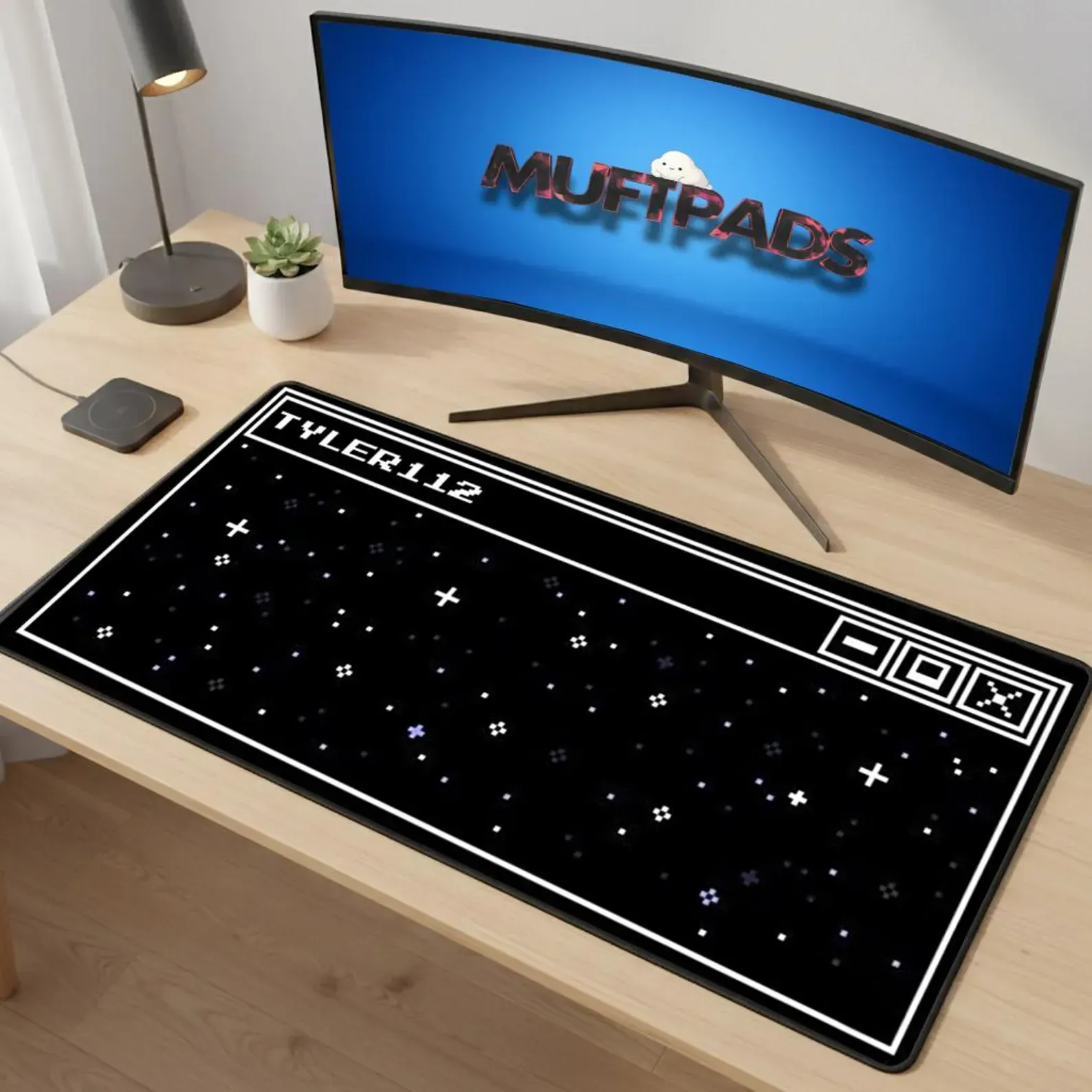
Small pads work for compact desks, travel setups and low-movement tasks, but they can feel restrictive when sensitivity is low or the keyboard sits close to the mouse hand. Extended desk mats solve this by giving the mouse a wider path while visually connecting the keyboard and mouse.
A 12 x 18 inch style size is often enough for a focused mouse area, while larger 16 x 32 inch and 15.5 x 31.5 inch options create a more complete desk base. The right choice depends less on the label and more on how much open desk space remains after your main accessories are in place.
If you often lift the mouse, hit the edge of the pad or keep adjusting keyboard position, move one size up. A larger mat usually feels more premium because it reduces clutter and gives the setup one clean surface.
Choose artwork that still feels good after the first week
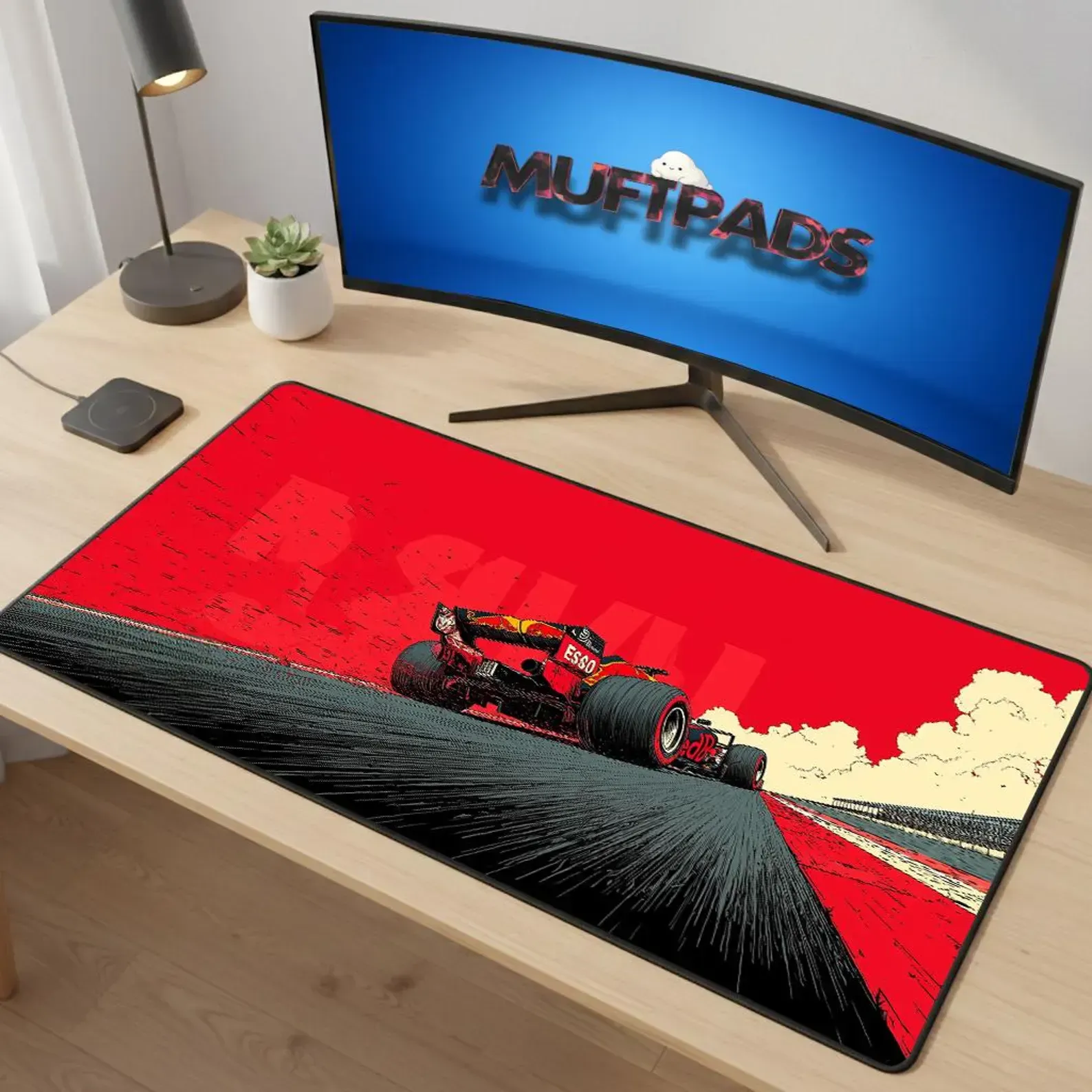
Artwork is what makes a desk mat personal, but daily use rewards restraint. High-contrast anime, science, abstract or fantasy artwork can look excellent when the surrounding setup gives it room to breathe.
Try matching one or two colors from the pad with your keyboard caps, desktop wallpaper, light color or monitor background. That small connection makes the setup feel designed instead of randomly assembled.
For professional desks, choose artwork with a controlled palette or a central focal point away from the mouse path. The goal is personality without visual noise.
Check surface feel, edge finish and cleaning habits
A good cloth surface should let the mouse glide smoothly while still giving enough control for precise movements. For gaming, that balance matters more than the artwork because the surface is what your hand interacts with every day.
Edge stitching can help the pad feel more finished and reduce fraying over time, especially on larger formats that get frequent wrist and keyboard contact. Thickness also changes the feel: slimmer pads feel direct, while thicker pads add more cushion.
Cleaning matters too. If you eat, drink coffee or use the desk for long work sessions, choose artwork and colors that will age gracefully and clean the surface regularly with gentle methods.
When custom artwork is the better choice
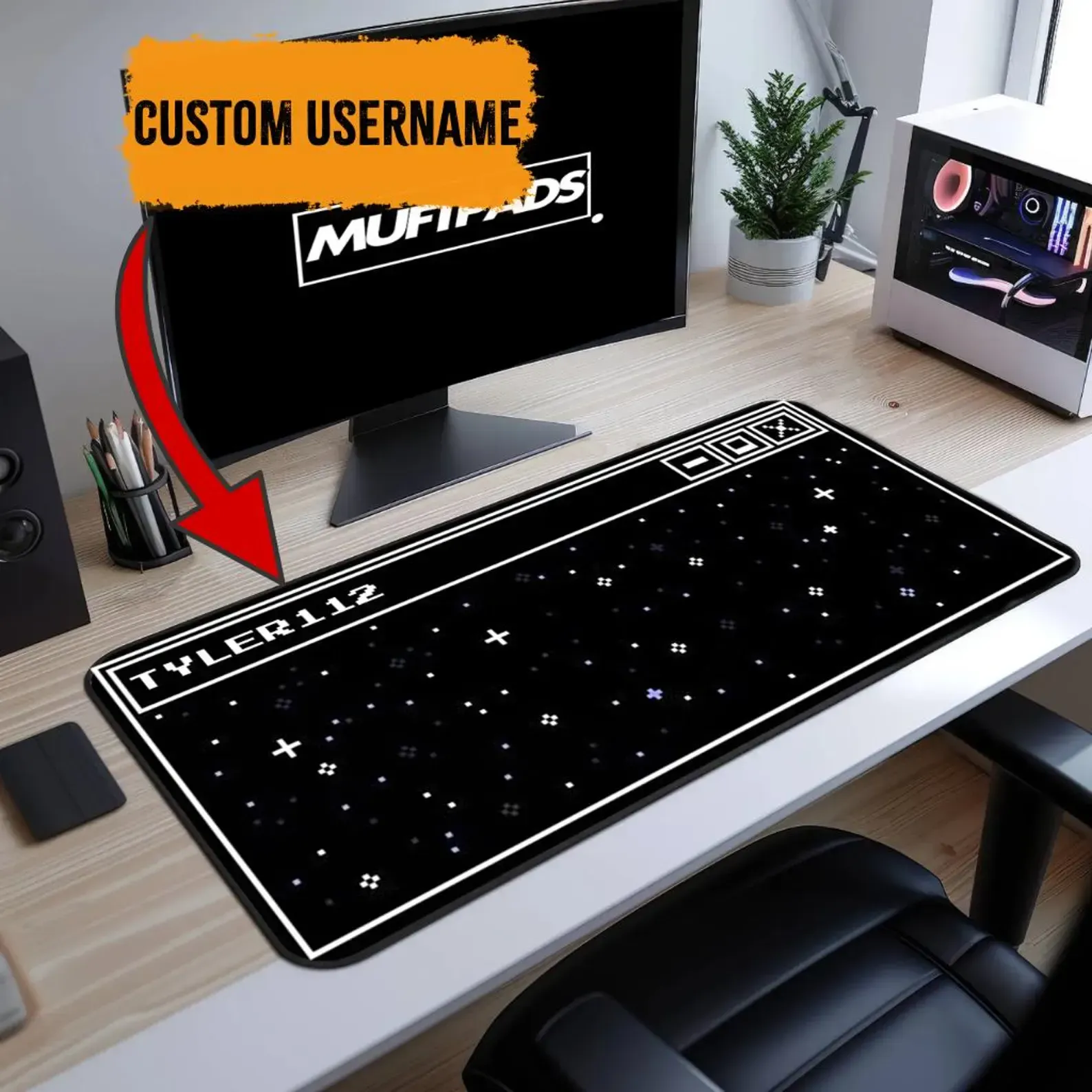
Custom artwork makes sense when the desk should reflect a specific character, photo, logo, team, game, project or personal style. It is strongest when the image is already meaningful rather than chosen only because it looks busy.
Use the highest-resolution file available and avoid placing important faces, text or logos too close to the edges. A little breathing room around key details helps the final print feel balanced after cropping and production.
If the design includes text, check that it will remain readable at the final size. Thin lettering, tiny UI screenshots and low-resolution images can look sharp on a phone but weak when printed across a large desk mat.
A simple buying checklist before you order
Measure the desk, choose the role of the pad, pick the size, then decide whether the artwork should stand out or quietly support the setup. This order prevents the most common mistake: buying a design first and forcing it into a space that does not fit.
For a cleaner setup, leave a margin around the pad instead of covering every inch of the desk. A visible border of desktop material often makes the whole arrangement look more intentional.
Finally, compare the product page images, available sizes and customization options before checkout. A good desk mat should feel useful on day one and still look natural after months of daily work, gaming and creative sessions.
What size mouse pad should I buy for a dual‑monitor setup?
A pad that is at least 900 mm wide and 350 mm deep provides enough surface for mouse movement across both screens while leaving space for a keyboard and wrist rest.
Are cloth mouse pads compatible with all sensor types?
Most modern optical and laser sensors work well on tightly woven cloth. If you use a high‑speed sensor, test the pad’s glide; a slightly textured surface usually offers the best balance of control and speed.
How often should I clean my mouse pad?
Spot‑clean spills immediately and perform a full wash or wipe‑down once a month, depending on usage intensity. Regular cleaning prevents dust buildup that can affect cursor tracking.
Can I use a mouse pad with a mechanical keyboard?
Yes. A larger desk mat can accommodate both a keyboard and mouse, providing a uniform surface that reduces the chance of the keyboard sliding during typing.
Do custom mouse pads affect mouse performance?
Custom graphics do not impact sensor performance if the top layer is a quality cloth or hybrid material. Ensure the print is applied with fade‑resistant inks and that the surface remains smooth.
Is a wrist rest necessary with a mouse pad?
A wrist rest is optional but helpful for users who experience wrist fatigue. If the pad includes an integrated cushion, it can replace a separate wrist rest while maintaining a clean look.
What warranty should I expect on a premium mouse pad?
Many premium pads offer a 12‑month warranty against manufacturing defects such as edge fraying or base delamination. Check the seller’s policy before purchasing.